

Skip to content
RYAN PEREZMenuBook Ryan
Keynotes · advisory · audits

Your system is already telling you where it's broken. Somebody just has to be in the room.

I work with organizations that have stopped wanting a compliance checklist and started wanting the thing to actually work. Software companies, government, post-secondary, non-profits. The output is never a report you file. It's a ranked list of breaks and an order to fix them in.

The problem

Accessibility work usually arrives too late to change anything.

It shows up as an audit at the end, priced against a legal risk, scoped to a standard. The findings are real. The timing makes them expensive and optional. And nobody in the room has actually hit the barrier they're reading about.

The other version is a talk that makes people feel something for forty minutes and changes nothing on Monday. Not a resilience talk. A build manual.

Signature talks

Three talks. Each one ends with something you can do Monday.

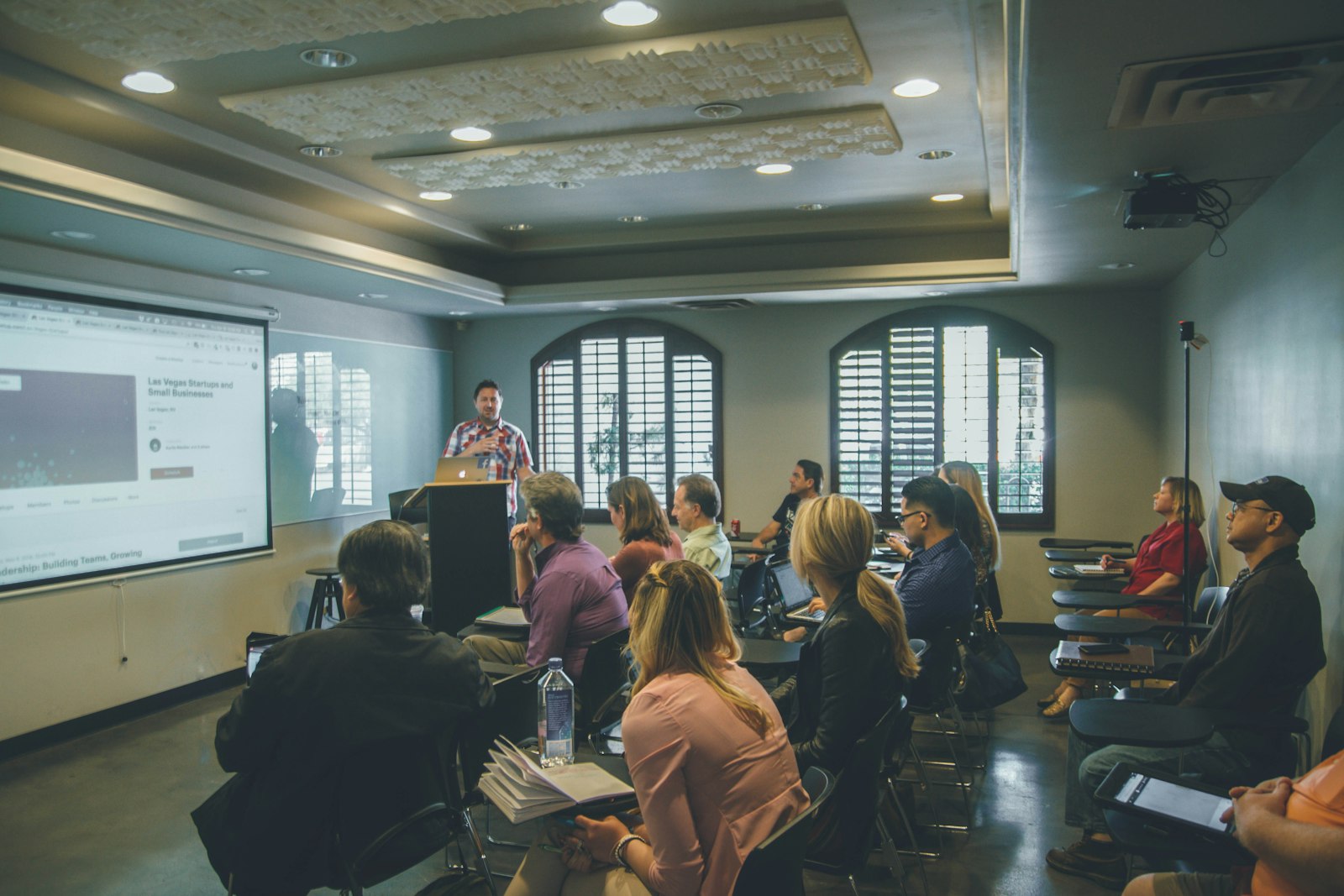
Conference audience
Talk 01 · 45 min + Q&A

Nobody is average

4,063 pilots. Zero average. Why the person your system fails first is the most valuable instrument in your building, and how to find them by Friday.

Best for — leadership, product, all-hands
Workshop whiteboard session
Talk 02 · 60–90 min or half-day

The Overlap

The full six-step method, run live on a problem the room picks. They leave with a mapped system and a ranked list of breaks.

Best for — product, design, engineering, service delivery
Crowd under warm stage light
Talk 03 · 45 min

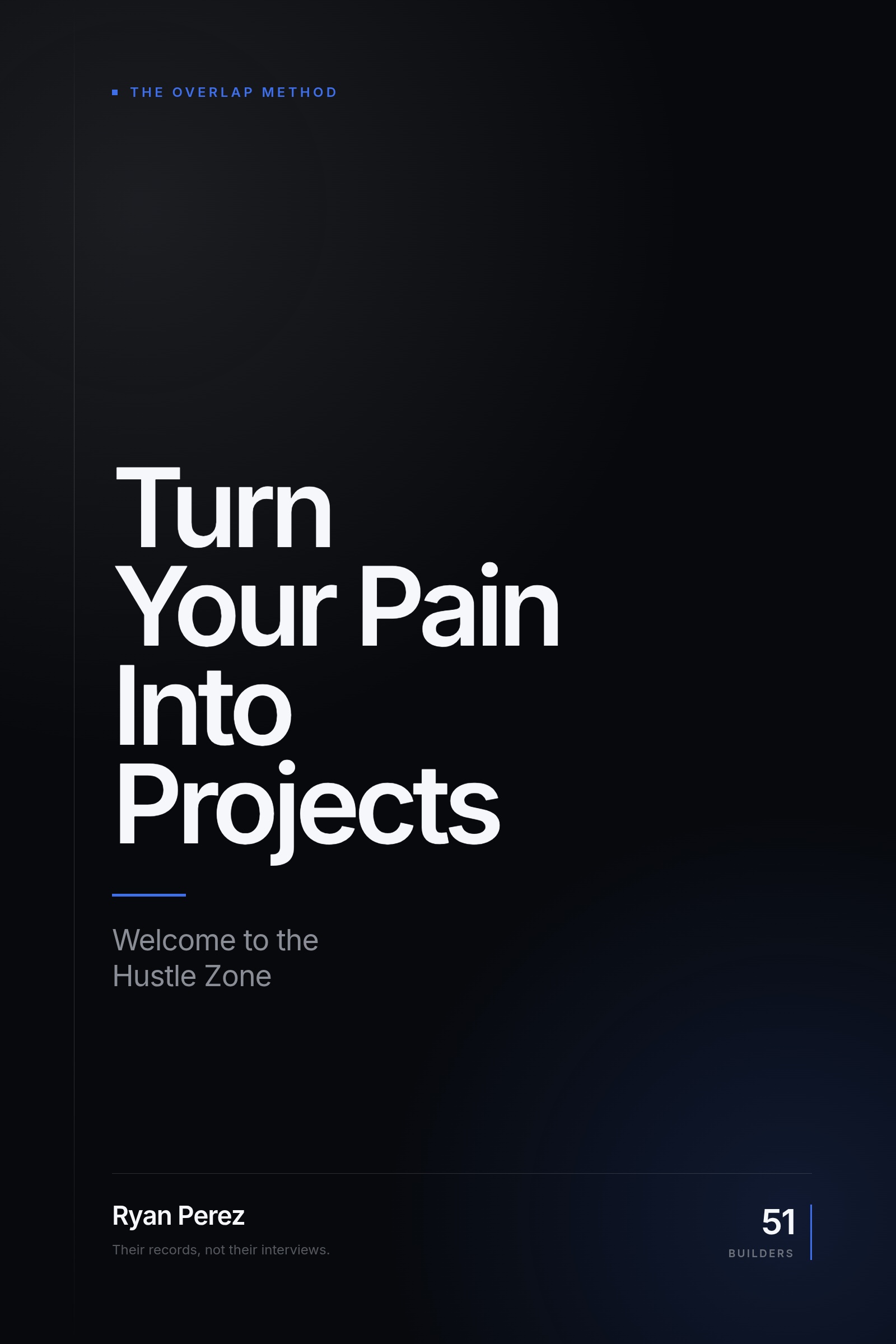
Turn pain into projects

Seven times a system failed me. Seven times it became a project. The most personal of the three, and the one that changes what people bring to work the next week.

Best for — conferences, ERGs, neurodiversity events
Advisory

Longer than a talk. Sharper than a report.

Friction Audit™
$[VERIFY][VERIFY duration]

I find every place your system breaks a person, sort them by how bad they are, and rank them by what only shows up when two things stack.

  • A build order, not a findings list
  • Stacked-barrier ranking
  • Delivered to the team that ships
The Overlap engagement
$[VERIFY][VERIFY duration]

All six steps, run with your team, on one real system.

  • Paid co-design seats — non-negotiable
  • Decision seats that stick
  • Named credit on the work
Ongoing advisory
$[VERIFY]retained

For teams building something where getting this wrong is expensive later.

  • Standing review of what ships
  • Direct line to Ryan
  • Quarterly friction re-rank
How I work

The people your system fails get paid like the experts they are.

  1. 01

    Paid at consultant rates

    Co-designers are paid like the experts they are. Not honoraria. Not gift cards.

  2. 02

    A decision seat

    They can say no, and it sticks.

  3. 03

    Named credit

    Their names go on the work.

  4. 04

    Revenue share

    [VERIFY]% of every engagement goes to disability-led organizations.

This is in every contract, not just on this page. The method comes from disability justice — named in 2005 by Patty Berne, Mia Mingus, Stacey Park Milbern and Sins Invalid. I'm not going to take the framework and drop the names. Credit and payment are part of the method, not a footnote on it.

Booking

Calgary. Travels anywhere.

Speaking, advisory, and audits for companies, government, and post-secondary.